About Joan Finton
For more than seven decades, Joan Finton has pursued a practice of sustained curiosity—one that moves fluidly between painting and printmaking, figuration and abstraction, observation and invention. Born in Buffalo, New York, in 1929, she holds an MFA in Painting from Syracuse University. and has built a life in art that is as much about generosity as it is about personal discovery.
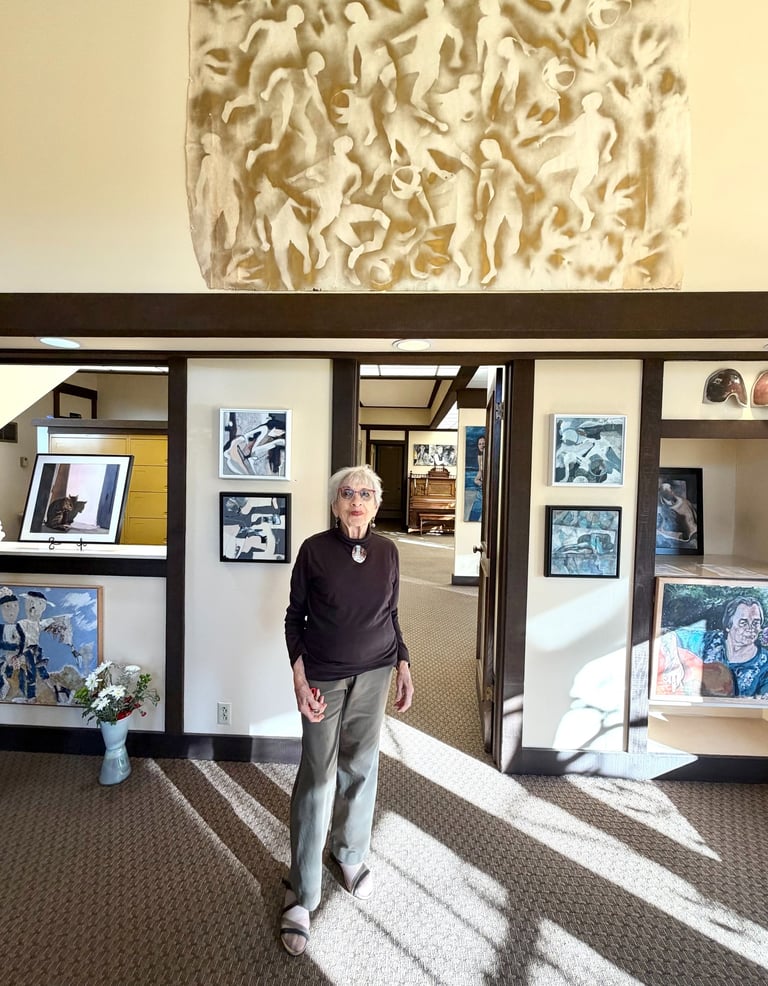
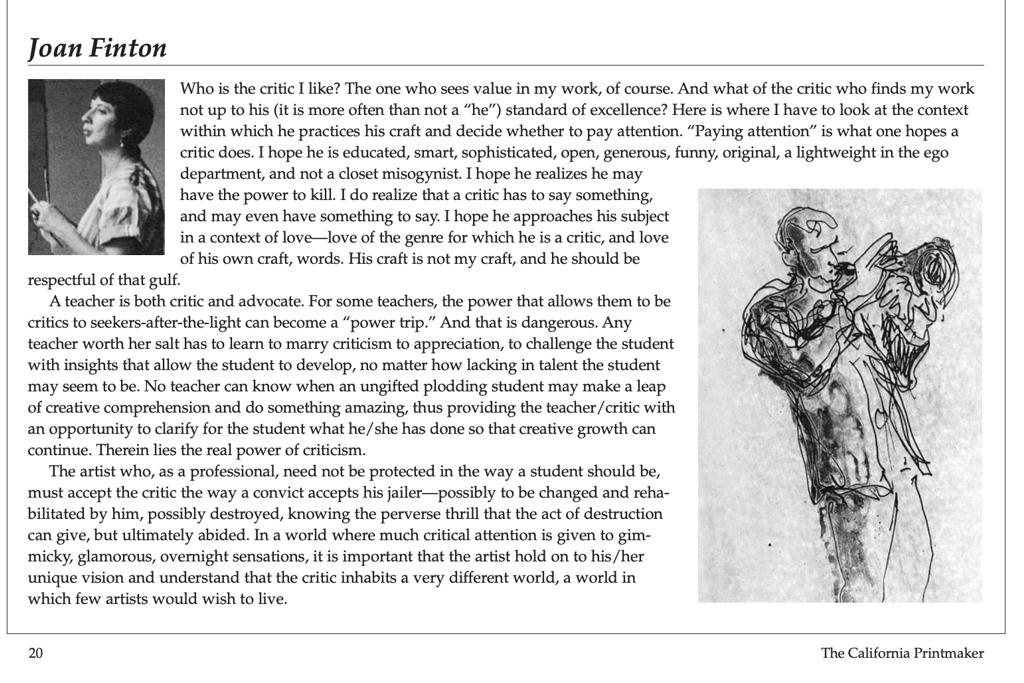
Finton's artistic awakening began at the Albright Knox, formally known as Albright Art Gallery, in her hometown of Buffalo, NY, a formative experience that set the stage for her immersion in the vibrant energy of mid-century New York City. There, surrounded by the work of Abstract Expressionists—Arshile Gorky, William Baziotes, Bradley Walker Tomlin—she developed a vocabulary rooted in cubist-influenced abstraction. Much later, as a devoted jazz lover, she spent evenings sketching musicians in dimly lit clubs and rehearsal spaces, capturing the spontaneity and rhythm that would become a lifelong thread in her work.
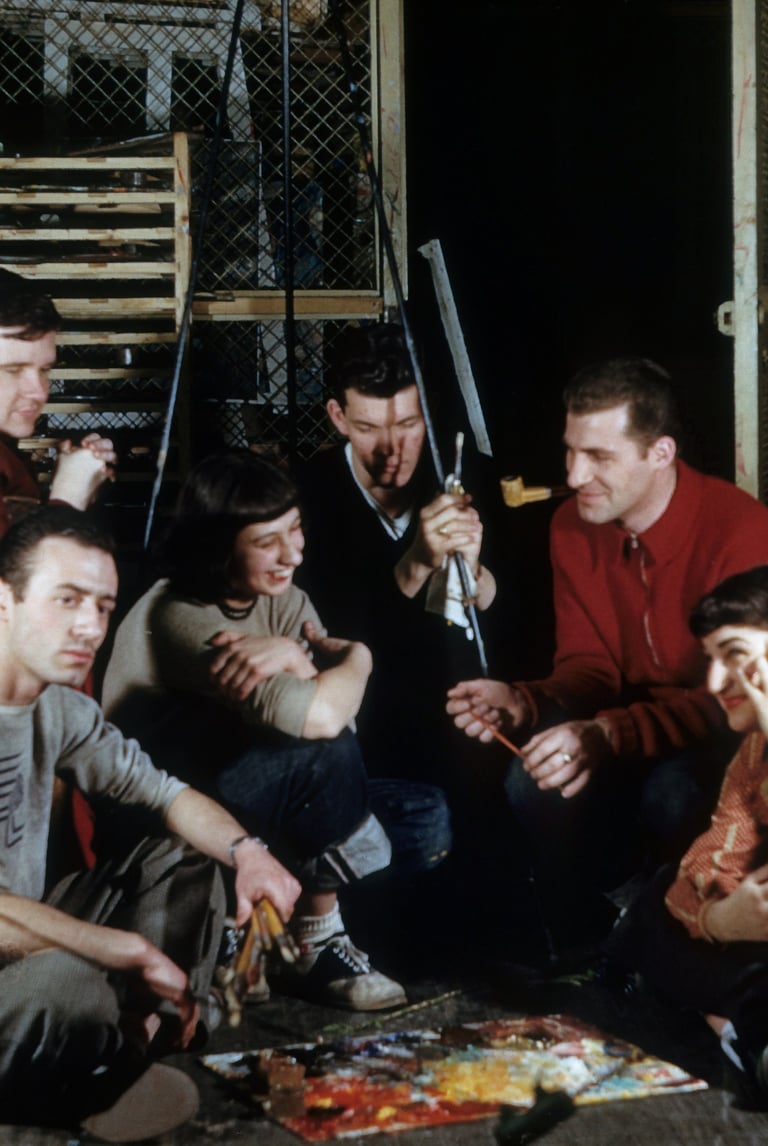
But art-making during those years shared space with another calling: teaching. For over two decades, Finton taught in New York City public high schools and served as an administrator for a federally funded alternative school supporting at-risk youth, all while raising two daughters. Her commitment to education never wavered—it simply evolved. After relocating to Berkeley, California, in 1974, she turned her attention to adult learners, working with older adults and people with disabilities in community settings and from her home studio. In 2024, the Contra Costa Adult School honored her with a 40-year teaching recognition. "Finding ways to astound students with their own abilities," she says, "is very satisfying—and fun."
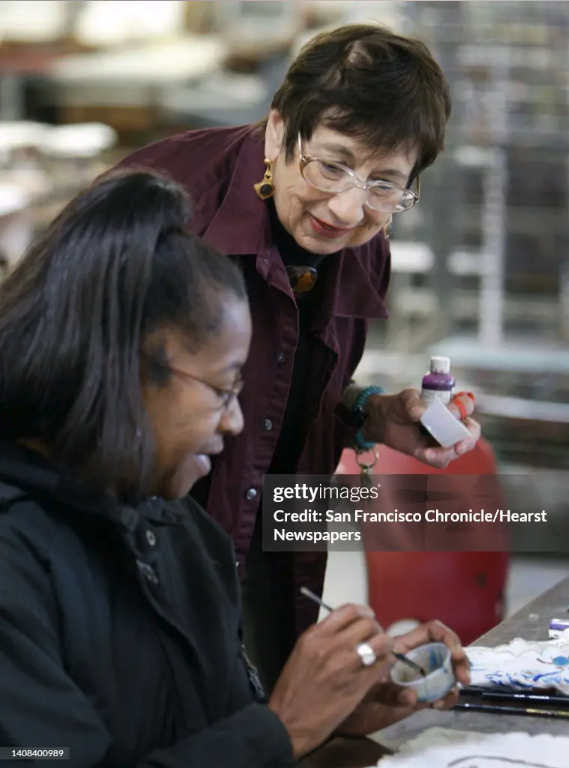
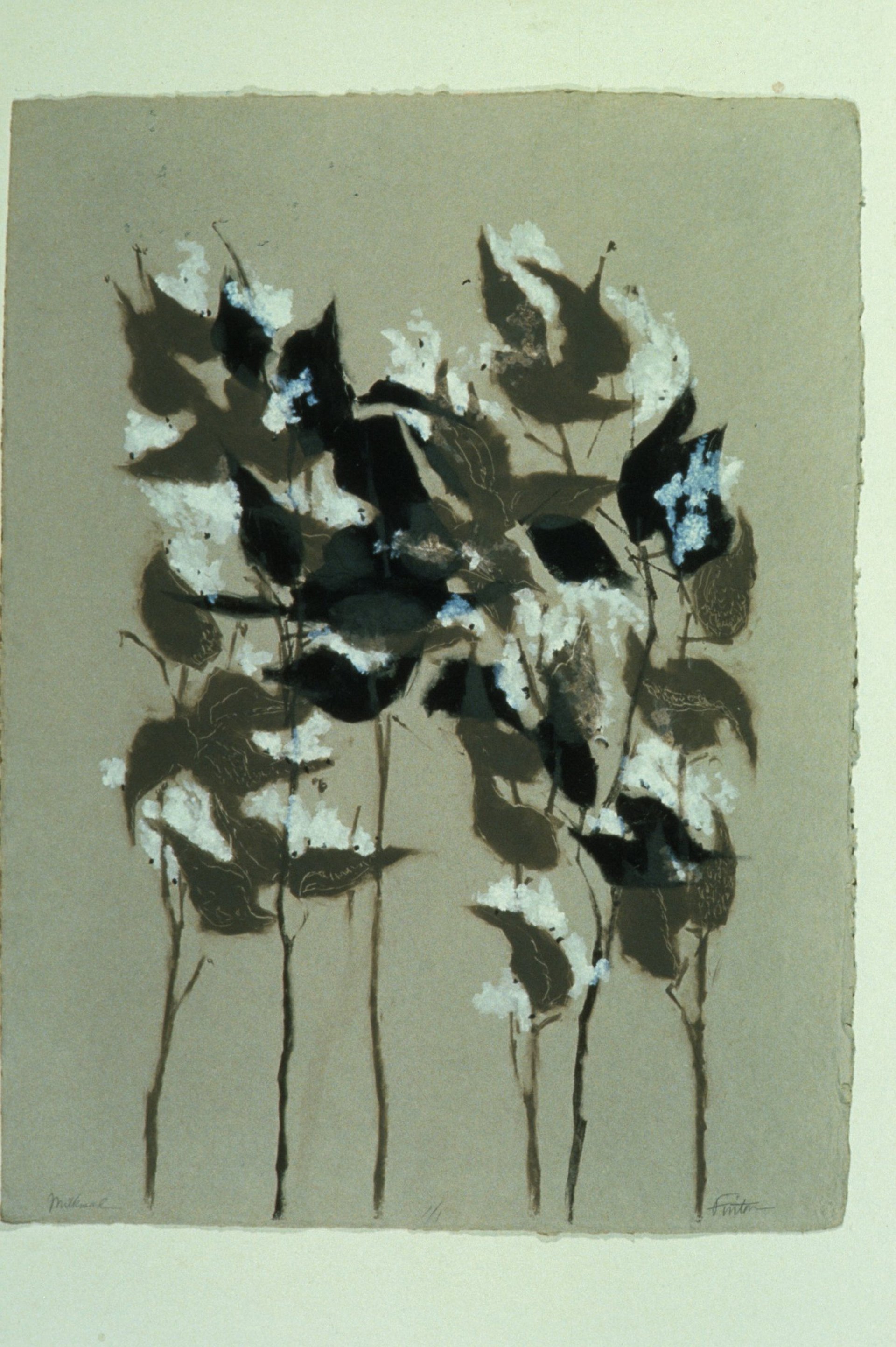
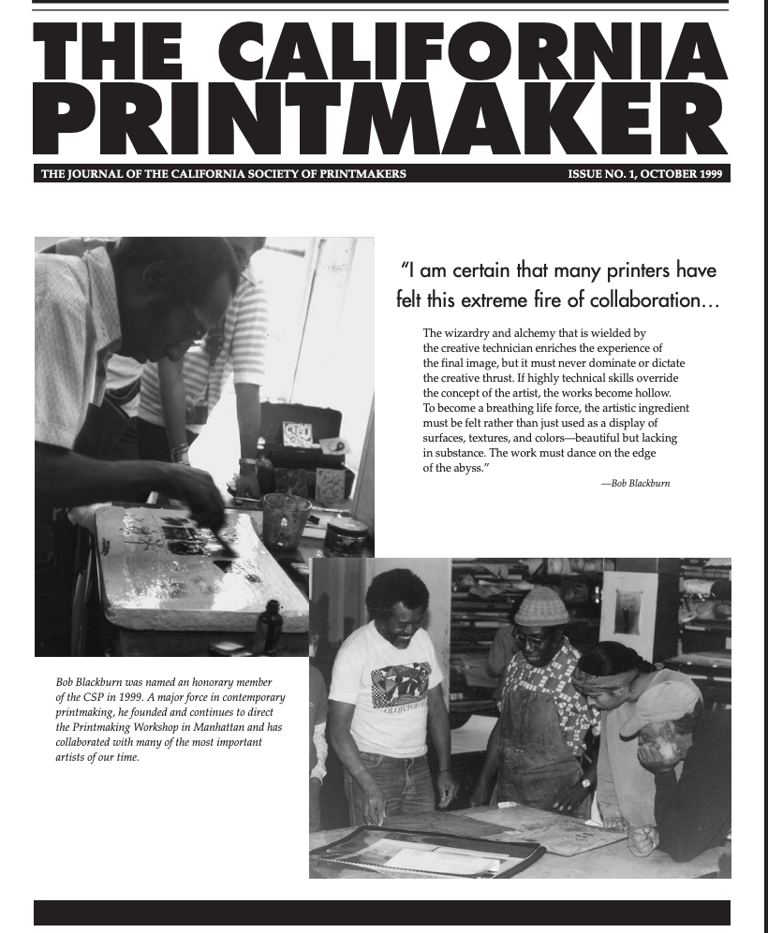
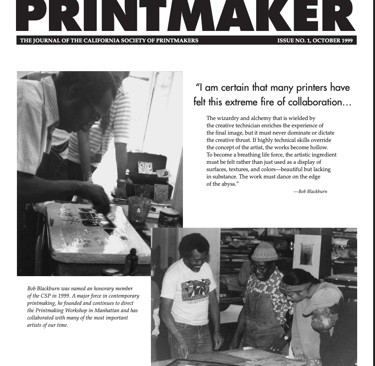
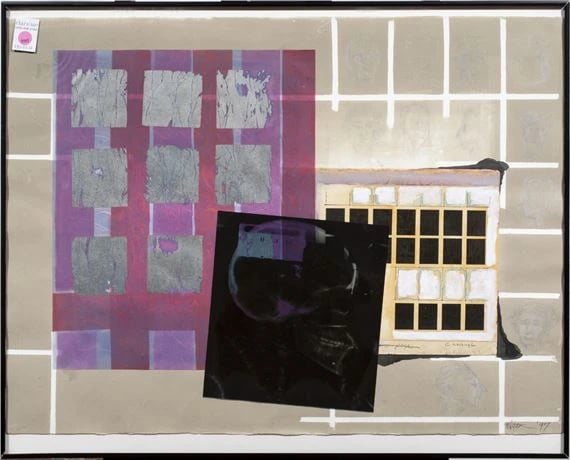
Berkeley also reignited Finton's relationship with printmaking. She joined Blue Bay Press, a collaborative printmaking collective, and served on the board of the California Society of Printmakers. Her practice expanded into solarplate etching, monotypes, and innovative experiments with Mylar plates—some of which became finished works in their own right. One pivotal series, inspired by East Coast milkweed specimens, marked a shift toward biomorphic abstraction, blending close botanical observation with formal play. Those early jazz sketches, too, found new life as a series of etchings.
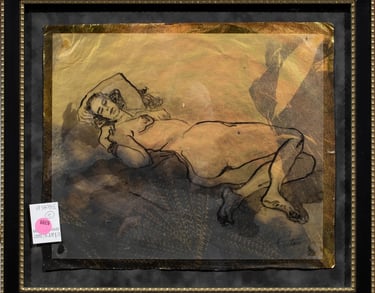
Now in her nineties, Joan Finton continues to teach weekly from her Berkeley studio, host art shows in her pop-up gallery, and remains an active presence in the local arts community.
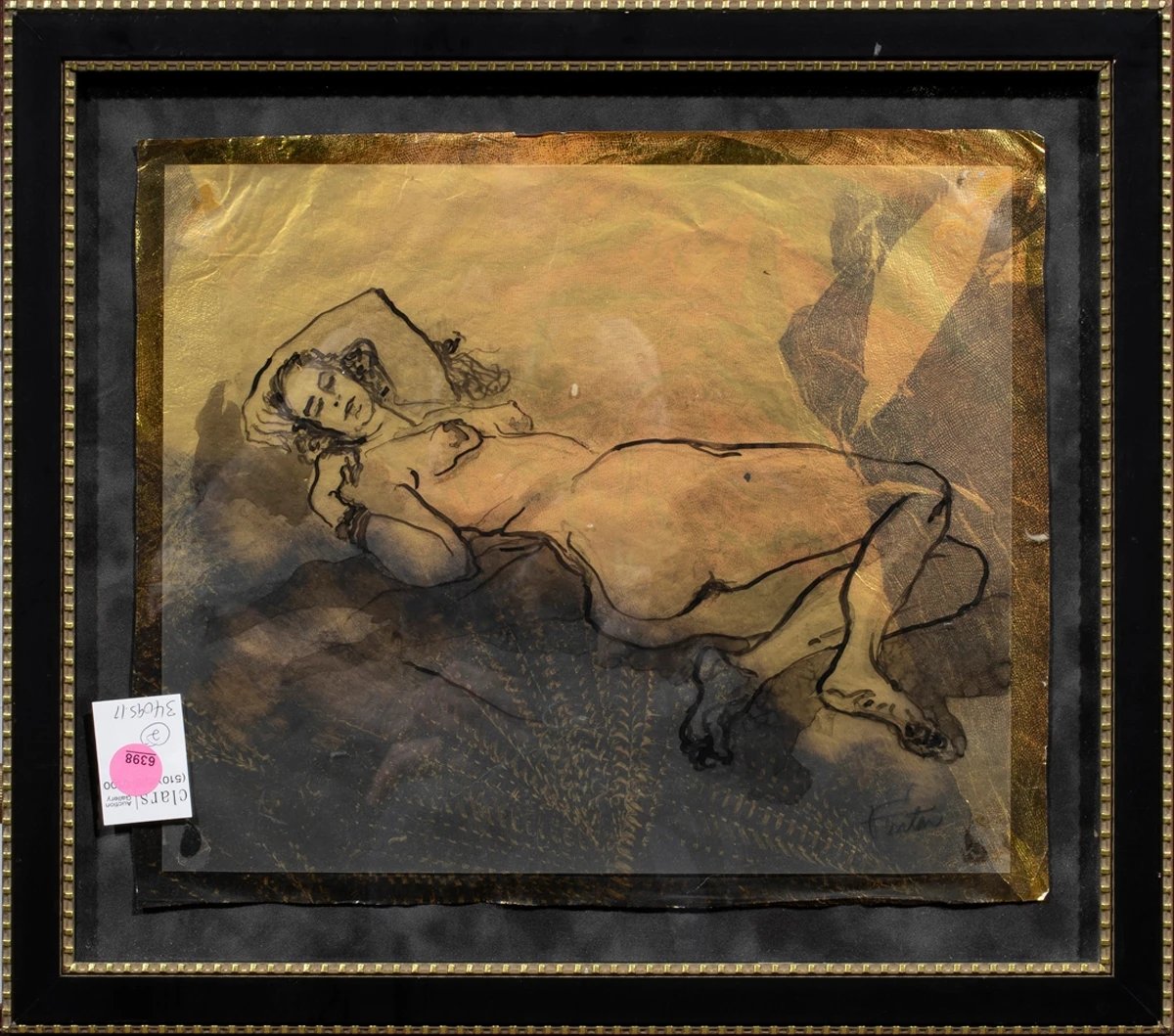
Finton's work moves between modes—sometimes abstract, sometimes figurative. She draws from nature, from the syncopated structures of jazz, and from an ongoing dialogue with her materials. Her prints and paintings are held in the permanent collections of the Library of Congress, the Achenbach Foundation for Graphic Arts, the UC Berkeley Art Museum (BAM/PFA), and Kaiser Permanente, among others.
Get in touch
© 2026 Joan Finton Art | All rights reserved | Designed by Tamara Haddad